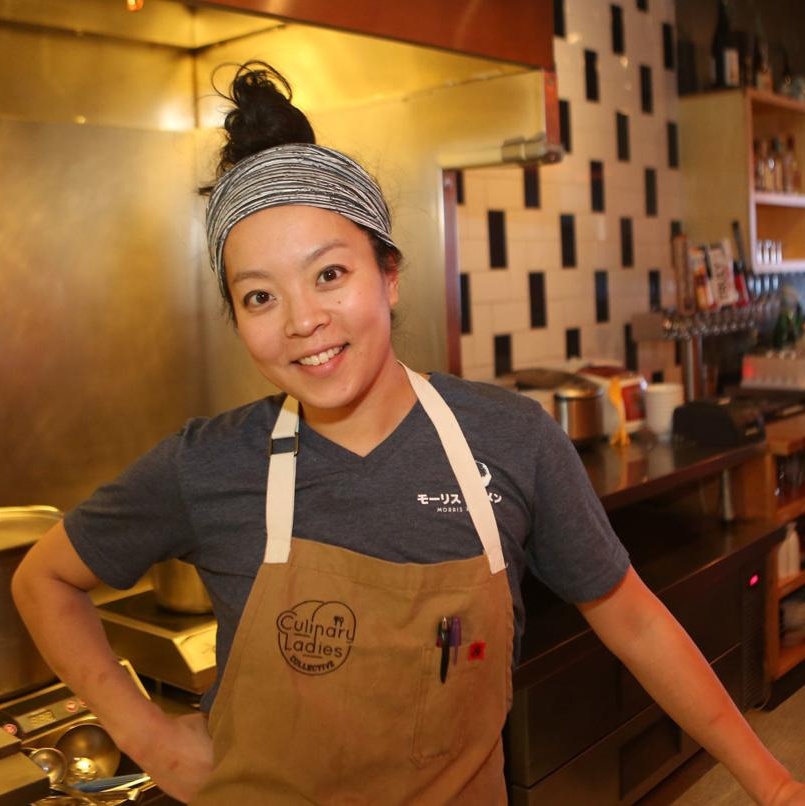
The race for Wisconsin governor gets more interesting each week as more candidates enter for what is promising to be a free-for-all Democratic primary. Earlier this week, Democratic State Senator Kelda Roys launched her campaign for Wisconsin governor. Today, Francesca Hong, who lives in Madison tossed her hat into the race where Lt. Gov. Sara Rodriguez and Milwaukee County Executive David Crowley are also in the hunt for name recognition and support. Many are still watching for Attorney Josh Kaul to enter the race this fall. This primary and the issues raised and the manner in which messages are framed will go a long way to answering the question of who will be the next person to sit atop Wisconsin government.
The entrance of Hong is going to shake up the status quo and that can be a good thing for our current political situation. She may be able to do something that is much needed in this highly fraught political atmosphere in our state. It seems serendipitous that after reading the news about her I grabbed a second cup of coffee and a book to read outside. Boston in the 1970s is the location for strife and turmoil as poor whites and poor blacks faced each other over bussing school children. Columnist Jimmy Breslin writes of this clash that there are “two groups of people, who are poor and doomed and who have been thrown into the ring with each other”.
Today the issue that connects the two sides of the seemingly ever deepening chasm in our nation is economic disparities. As such the angry voices in rural red counites about jobs and wages and housing costs mirror the angst and concerns from urban centers over the same problems. Those who now drive the wedge issues or the cultural warriors who want their base to think that transgenders are taking over the local high school sports program hope the two separate economic halves of our politics stay divided. But what if there was a powerful voice to say otherwise?
Hong seems well suited to make a forceful attempt to speak to the voters in ways that other candidates may not be able to do. She has a resume that looks a lot like the average voter’s resume. She has been a bartender, dishwasher and line cook and like scores of other working moms has struggled to find housing that was in her budget. I strongly suspect she is going to connect with voters who at first will not recognize her name.
I come from decades of watching candidates enter elective races with what I think can be fairly labeled as cautious centrism. They do not stray too far from what a consultant has come up for talking points. So, as a politico I am really interested in what Hong brings to this race. First, there is no searching for ideological foundations, as she is rooted in a framework of knowing who she is. Second, I expect to see a young, energized, and hopeful tide of young people get involved in the race. This summer in numerous conversations with grad students I asked if they and their friends are hopeful about the future? The common answer could be summed up with, “Are you kidding me? No!” I tend to think there is a sizable number in the electorate who want fresh perspectives and fact-based reasoning. Third, if there is that element among the voters who want to be disrupted, Hong can provide it with a message that will be inclusive and one striving for a better economic outcome for people all over the state. I might add that disruption is precisely what Wisconsin, and the Democratic Party more broadly, needs in 2026.
Hong’s platform, rooted in economic justice, climate action, and democratic reform, speaks directly to constituencies that have grown disillusioned with politics-as-usual. Like the grad students I have so enjoyed interacting with this summer. Young voters, especially, are hungry for candidates who don’t just nod toward change but embody it. Hong’s unapologetic stance on issues like universal healthcare, housing as a human right, and student debt relief resonates with a generation that is striving to make their place in our state. As one who grew up knowing that civic engagement is vital to our democracy, I think Hong just might turn the abundant frustrations into political energy.
There are so many places where Hong can find deep support. Rural progressives and working-class communities often feel ignored. In a nation where its top leader will say anything to anyone based on the whim of the moment Hong, I believe, will bring something often lost in our electoral discourse. Conviction.
Over the coming months our state will have a large debate about economic inequality, our climate mess, and of course democratic renewal. The Democratic Party will gain much from her campaign as everyone will enhance their debating skills, sharpen their messages, and improve their efforts with energized voters. After all, a lesson from my small rural classroom about civics 50 years ago still rings true. Democracy thrives best not when voices are managed and packaged and homogenized, but when they are robust and filled with hope and conviction.

 Caffeinated Politics
Leave a comment