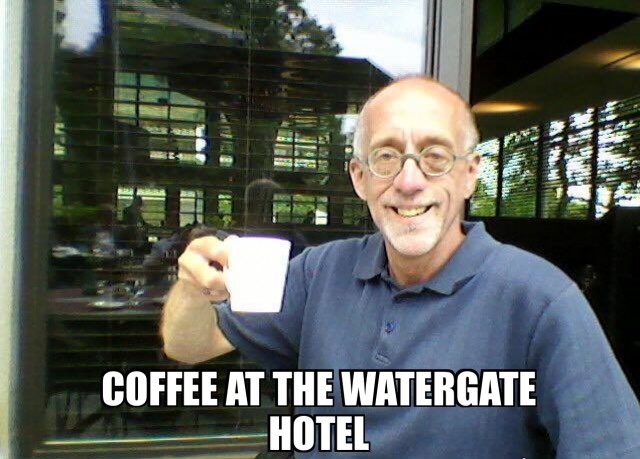
I was not your typical kid growing up. That is a very understated way to write it. I was in a rural environment where my grandparents, along with an aunt, were my neighbors, with not another boy my age for miles around. There was no television in our home until I was in the 6th grade, but we did have a daily newspaper, I loved the radio, and books were plentiful. I was bookish. As such, I recall the strangest things with clarity.
The infamous phrase “people have got to know whether or not their president is a crook” was declared by President Richard Nixon on November 17, 1973. I recall the radio news was being reported, and Mom was ironing clothes in the dining room. Over and over during the Watergate period, I would latch onto such snippets about the life and times of Nixon. They would help foster a lifelong fascination with the man.
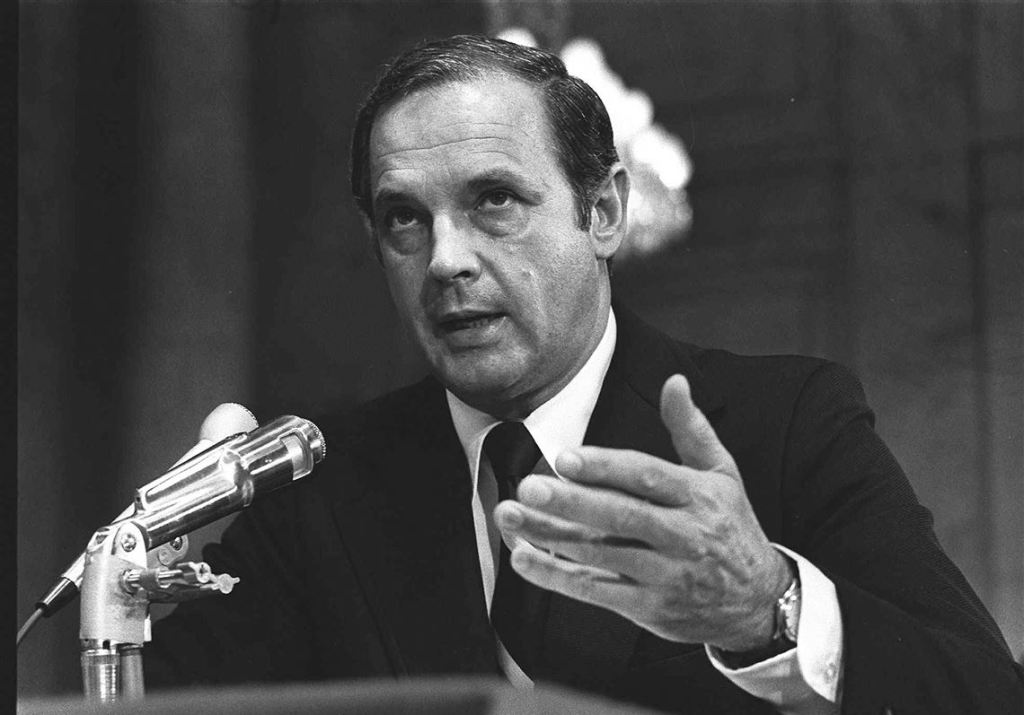
During the COVID pandemic, I started to watch, in order, the Senate Watergate Committee Hearings chaired by Sam Ervin. It was this winter that I made it to the testimony of Alexander Butterfield, the White House aide who hastened Richard Nixon’s resignation over the Watergate scandal.
Yesterday he died at the age of 99. I found it of interest that this death was first confirmed to The Associated Press by his wife, Kim, and John Dean, who served as White House counsel to Nixon during the Watergate scandal and helped Butterfield expose the crime.
“He had the heavy responsibility of revealing something he was sworn to secrecy on, which is the installation of the Nixon taping system,” Dean said. “He stood up and told the truth.”
Butterfield, who was the deputy assistant to the president, oversaw the taping system that was connected to several voice-activated listening devices placed in four locations, including the Oval Office and Camp David.
“Everything was taped as long as the president was in attendance,” Butterfield told Watergate investigators when testifying under oath during a preliminary interview.
I recall the bombshell headlines about those recorded tapes. I was 11 years old, and the following year, the Smokin’ Gun tape was the stuff that an almost teenager could follow and enjoy. Nerdy kids can have fun, too.
Alexander Butterfield, in my estimation and as a student of sorts after decades of reading and thinking about Nixon and Watergate, was far more than just a footnote to Watergate, but one of the pivotal figures who helped expose the truth during a moment of national crisis.
Butterfield comes across in books as a man who believed deeply in order, hierarchy, and duty. Yet it was his steady, almost matter‑of‑fact disclosure before the Senate Watergate Committee that detonated the political landscape.

With a few understated sentences, he confirmed that Nixon had been recording conversations in the Oval Office—evidence that would ultimately unravel his presidency.
As I watched that testimony recently, it strikes me as I write this column that he did so without theatrics. There was no flourish, no attempt to cast himself as hero or whistleblower. Butterfield simply answered the question he was asked, fully and honestly. In doing so, he demonstrated a kind of integrity that feels increasingly rare in today’s Washington. Imagine being willing to tell the truth even when it is inconvenient, even when it is politically dangerous, even when it is not in one’s personal interest.
My window into this unfolding drama came through newspapers spread across the kitchen table or dining room floor, where I often could be found. Let us not forget those steady voices on the radio who were constant companions during my growing-up years. I clearly was not aware of the constitutional stakes, but I sensed that something enormous was happening. The adults around me spoke in hushed tones. Headlines grew larger. Even without understanding every detail, I knew that the country was wrestling with questions of honesty and power.
Looking back on Butterfield’s revelation allows me to make a solid point that history isn’t always shaped by the loudest or most powerful figures. Sometimes it turns out the quiet ones—the people who simply refuse to bend the truth–set the next pages of history in motion. His lesson to us all is that democracy depends not only on institutions but on individuals who choose integrity over loyalty, and transparency over convenience.
As we look back on his life, it’s tempting to see Butterfield as a supporting character in a larger drama. But that undersells the magnitude of what he did. His testimony didn’t just expose a taping system; it exposed the idea that no leader is above scrutiny. It reminded the nation that truth, once spoken plainly, has a force all its own.
In remembering Alexander Butterfield, we remember a man who never sought the spotlight but stepped into history, nonetheless. His legacy is a quiet one, but it echoes still: a reminder that sometimes the most important acts of courage come from those who never intended to be courageous at all.

 Caffeinated Politics
Leave a comment