
In the modern presidency, few responsibilities are more consequential than sitting across the table from a foreign leader whose decisions can alter history. A summit meeting is not a photo opportunity, a bro-mance, or a feeling of power alongside rogues. It is a high-stakes exercise in diplomacy where preparation, historical knowledge, and deep understanding of an adversary’s motives can mean the difference between stability and crisis. You can see where I am headed in this column as we consider Donald Trump meeting with Chinese President Xi and Russian President Putin. Toss in the possibility of North Korea’s Kim Jong-un in the mix, and even staunch Baptists can be forgiven for pouring a stiff drink.
Trump has never shown that he approaches any aspect of his job with the necessary seriousness. You cannot find a multi-paragraph series of consistent thoughts and fact-based reasoning on any topic from Trump. He has no depth or even interest in international issues or hot-button topics. When Trump enters a summit unprepared, he steps onto a chessboard against opponents who have studied the game for decades and are far more informed and skilled on the world stage.
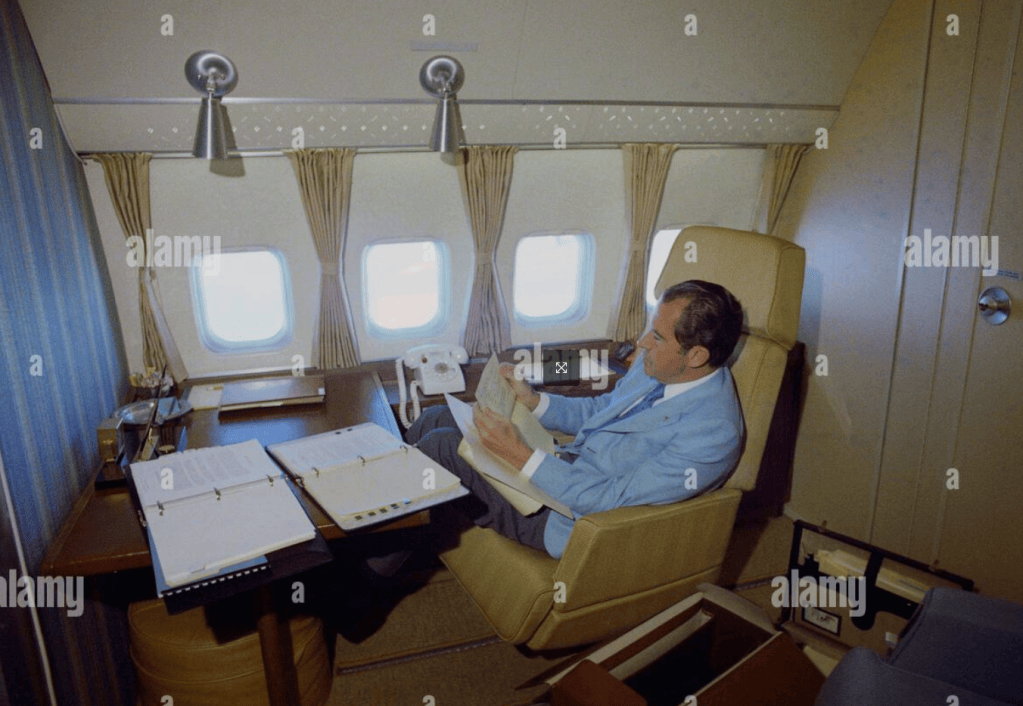
I come at this topic with history as my guide. When President Richard Nixon traveled to China in 1972, he did not simply board Air Force One and wing it. Nixon was deeply engaged in foreign affairs, had spent years thinking about the balance of power between Moscow and Beijing (rejected using “Red China” as a term in the 1968 campaign), and immersed himself in briefing books and policy memoranda before the trip. He consulted experts, absorbed historical context, and carefully considered the strategic consequences of every move. He holed himself in the Executive Office Building, away from the White House daily drama, and studied. (Oh, yeah, he would never have considered watching television during the workday.) Whether one agreed with Nixon politically or not, few would question that he understood the gravity of a summit. He recognized that diplomacy is intellectual work.
When was the last time the phrase “intellectual work” and Donald Trump appeared in the same sentence?
The challenges now confronting the international community are complex and highly dangerous. China seeks to be our principal geopolitical competitor. Over the years, I have noted that supply lines on international waters and trading routes in Southwest Asia are a source of worry as a more assertive China pushes the envelope. When it comes to Putin, Russia’s illegal invasion of Ukraine has reshaped European security needs and revived concerns about territorial aggression not seen on the continent for decades. Putin is a former intelligence officer who has spent much of his career manipulating adversaries. Anyone sitting alongside must be aware that every word, every concession, every signal is scrutinized. Add Trump’s boyfriend, North Korea’s Kim Jong-un, who presides over a nuclear-armed state that has repeatedly demonstrated its willingness to provoke neighbors and defy international norms, and we have every reason to be concerned about the summit meeting and its consequences.
Make no mistake about it. These foreign leaders are far smarter than Trump. They don’t rely on their gut to tell them which policy moves to make. History shows that instinct has a place in leadership. But hear me now. Preparation has a larger role.
Americans should expect their president, regardless of party, to arrive at summit meetings armed with facts, history, and a firm grasp of the leaders sitting across from him. We do not have that this week in China. When the world’s most calculating, tyrannical leaders are waiting on the other side of the table, nothing is more dangerous than a commander in chief who treats preparation as optional.


Leave a Reply