

I was having eye surgery the day before the radicals attacked Israeli inhabitants in October 2023.
Being born with a slight birth defect of drooping eyelids, it was the second time the operation was performed in 20 years. But unlike the first procedure, and for whatever reason, I was not given any ‘blue juice’ before entering the surgical bay. I was alert, thinking this was not the way a patient should be feeling, given that I was reading a book the minute before being wheeled in for the operation. (Actually, three separate procedures wrapped into one.) I started freaking as the array of machines and gowned nurses came into view, and bright lights seemed as if Elton John might make an appearance. I was quickly becoming unglued. A nurse said that the doctor did not want me heavily sedated. The patient, however, was having a full-out panic attack.
The amount of ‘take me out juice,’ and the fast delivery of it created the most violent sicknesses I ever experienced. For the next 24 hours, I could not even take in water. I recall thinking this was how seafaring voyagers in the 18th century must have felt for weeks on the Atlantic.
Two weeks later, during the scheduled check-up, the matter was discussed, and I was sure an apology was forthcoming. Being Midwestern, I didn’t ask for one, as if not offered freely, such words are meaningless. What I did get, as the doctor left the room, was him turning to James, saying, “Your husband runs a little hot.”
That story came to mind as I read a column in theSand Mountain Reporter. David Carroll is a conservative columnist for the newspaper. That paper has been a weekly stop for decades, as my favorite Southern Gospel singer, Vestal Goodman, was raised in the area around Sand Mountain.
After the recent shootings in Minneapolis, top government officials made hasty, inaccurate statements before investigations had even begun. Video evidence and actual research made it clear that the accusations were inaccurate and inflammatory. Certain people were removed from their assignments, but there was a noticeable absence of anyone taking responsibility for their mistakes.
There was talk about the need for trust to be restored, and to “lower the volume,” but no action. There was an emphasis on legal and political maneuvering, but no regard for any moral obligation.
The Minneapolis shootings serve as recent examples, but they are part of a pattern of politicians twisting themselves into pretzels to avoid admitting a blunder. Polls show an increasing number of Americans aren’t buying it.
Broadening this out, and for many years, our nation has been living through a crisis of responsibility. Institutions deflect. Leaders deny. Agencies stall. And when the dust settles, no one seems to be held accountable for anything of consequence. Few issues illustrate this more starkly than the unresolved questions surrounding Jeffrey Epstein and his rape-prone network of males coveting underage girls. Additionally, we see ample evidence of the failures of the systems that were supposed to protect victims and pursue justice.
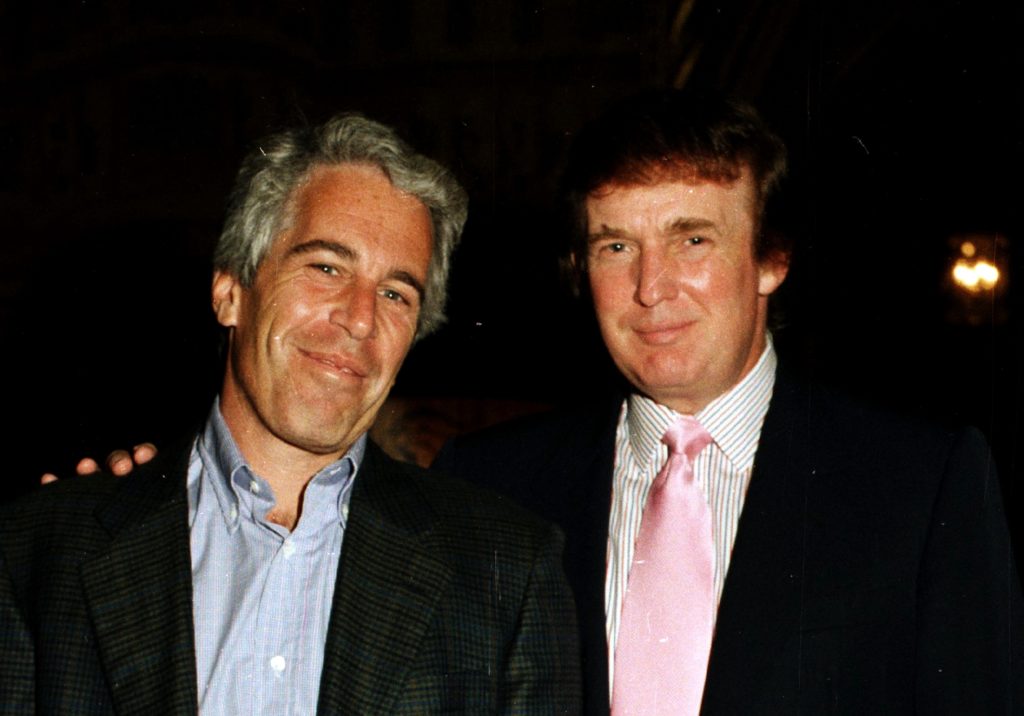
Yet despite the gravity of the sex crimes and the public’s demand for transparency, the nation has watched a familiar pattern unfold with the Donald Trump White House. The release of ‘all’ of the Epstein files raises more questions than answers, documents remain sealed, and officials insist that responsibility lies somewhere else. If you listen to the aging white males, it is amazing how many claim never to have visited Rape Island.
The Trump White House willfully failed to confront the full scope of the Epstein matter. There was, first and foremost, an absence of a comprehensive federal review, and no action was taken about the lack of accountability for the failures that allowed Epstein to operate for decades. These concerns are not partisan inventions; they have been raised by journalists, legal experts, and members of both political parties who believe the public deserves clarity.
The deeper issue is not about Trump’s predilection for multiple sex partners, underage or not, but rather about the national pattern in which powerful individuals and institutions seem insulated from consequences. The Epstein scandal—its crimes, its victims, its unanswered questions—has become a symbol of that broader failure. When a case involving such serious exploitation results in so few meaningful consequences for those who enabled it, like Trump himself, the public is left to wonder whether accountability in America is reserved only for the powerless.
It seems like over the last year, I have needed to include a paragraph like this one again and again in my columns. A functioning democracy depends on trust. Trust depends on transparency. And transparency requires leaders who are willing to confront uncomfortable truths, even when those truths implicate people with influence, wealth, or political connections. Until the nation sees a full, independent accounting of how Epstein was able to operate, who protected him, and why so many institutional safeguards failed, the sense of impunity will only deepen.
The best-written show on television was The West Wing, and also my favorite program. Aaron Sorkin, the head writer, proved to be a genius. Tight scripts with dialogue delivered in a fast-paced manner were weekly must-watch programming. I thought about an episode that ties into the theme of my writing. President Bartlet admitted he was wrong to his chief of staff. And then to the nation.
“No one in government takes responsibility for anything anymore. We foster, we obfuscate, we rationalize. ‘Everybody does it,’ that’s what we say. So we come to occupy a moral safe house where everyone’s to blame, so no one’s guilty. I’m to blame. I was wrong.”
In the end, what’s most infuriating is how easily this country seems to accept the void where accountability should be. A scandal involving exploitation, power, the rape of underage girls, and decades of institutional failure should have triggered a reckoning at the highest levels of government, yet instead we’ve been handed silence, deflection, and a shrug from those who had the authority to demand answers. The Epstein case has become a litmus test for whether the United States is still capable of confronting wrongdoing when it implicates the well‑connected. So far, the answer has been a resounding failure—and the longer our leaders refuse to face that truth, the more it feels like a deliberate choice rather than an oversight.


Leave a comment