
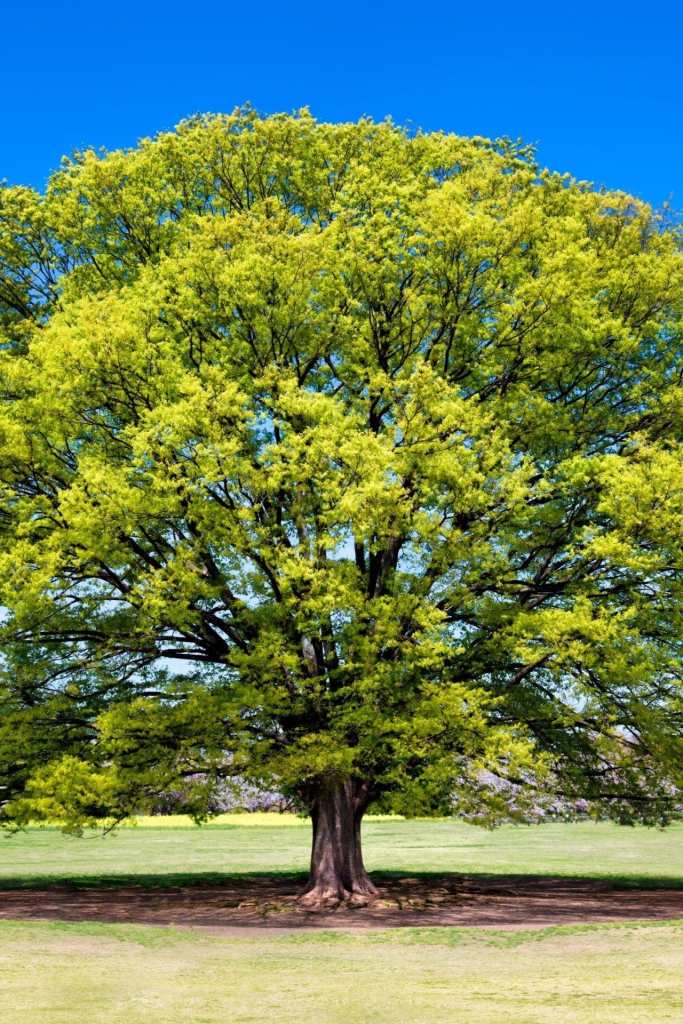
“Remember those two beautiful elm trees out there? When I and Biff hung the swings between them? … Yeah, like being a million miles from the city.” — Arthur Miller (Death of a Salesman)
As a boy, I recall elm trees everywhere. Like so many other people in our state, I was sad to see them become diseased, die, and then be removed. That is why the news is so uplifting about a worthwhile attempt to reestablish elm trees in our state.
As noted by Scott O’Donnell, the Genetics and Ecology Specialist with the Wisconsin Department of Natural Resources, what was lost from a widespread elm disease can possibly be reversed.
Less than a century ago, large, stately American elm trees were a keystone species in floodplain forests and the most commonly planted street tree in cities. But in the 1930s, Dutch elm disease arrived in the U.S., and within a few decades, it had killed tens of millions of elm trees across the continent. American elms host more than 500 species of insects, pollinators, and herbivores, so researchers have long been working to bring them back to the landscape.
And now, you can help make this vision a reality.
The Wisconsin DNR Division of Forestry is seeking reports of large survivor American elm trees to include in Dutch elm disease resistance screening trials. They are looking for reports of any American elm that is over 27” in diameter at breast height (~7ft in circumference). These large survivor elms may show signs of resistance to Dutch elm disease and will be the foundation for a Dutch elm disease resistance breeding program that will help reestablish American elm to its former ecological significance in the state.
Reports of survivor elms should include:
- The location of the tree, including the county, locality (state forest, park, property/yard, etc.), and a GPS point for the tree
- A photo of the tree, if possible
- Brief details of how to access the tree (what trail to use, in a remote area, etc.)
- Contact information of the landowner if the tree is located on private land.
DNR staff will review your report, and if the tree is located on private property, they will contact the landowners to schedule a site visit. With the landowners’ permission, researchers will collect branches and seeds from trees that meet the criteria to be included in the breeding program.
You can send reports via email or phone to Scott O’Donnell.
scottt.odonnell@wisconsin.gov
(608) 574-0859
Their towering canopies cooled neighborhoods when I was a boy and helped clean the air long before disease devastated their populations. With modern disease‑resistant varieties perhaps in the offing, we will have the possibility of an investment in healthier ecosystems, more resilient cities, and a greener future.
Even if you don’t know of any survivor elms, please help spread the word!

 Caffeinated Politics
Leave a comment