
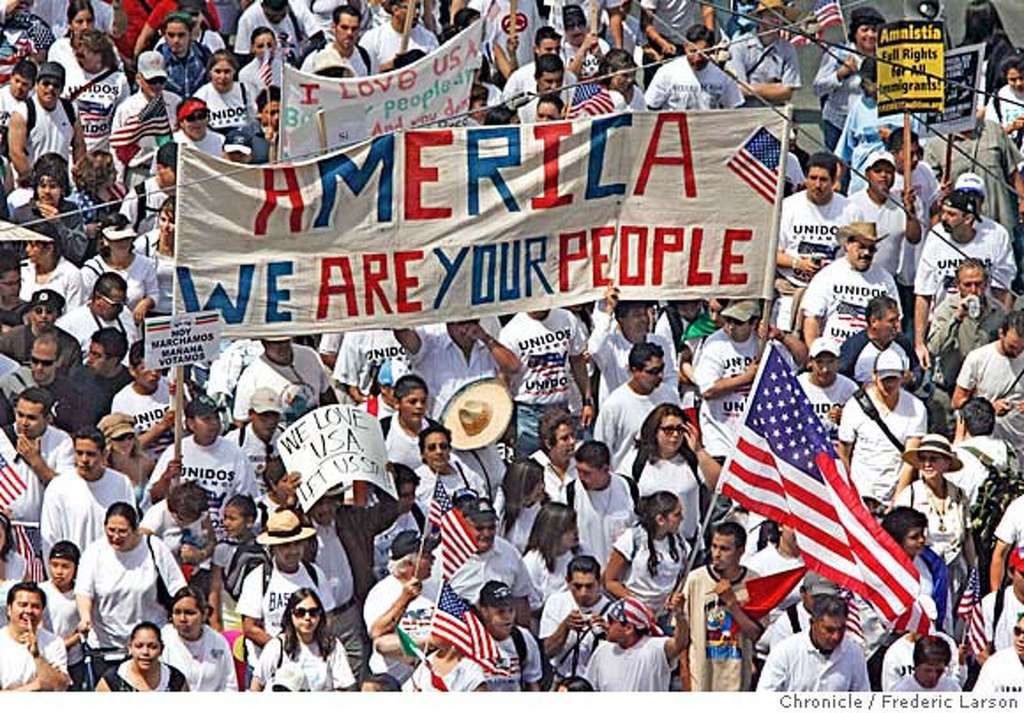
May 1st is International Workers’ Day and often referred to as a “Day Without Immigrants”, where immigrant rights groups, labor unions, and folks like you and me join forces to organize protests advocating for worker rights, protesting immigration policies, and demonstrating the economic impact of immigrant labor. Many school districts have chosen to close their doors in support of the cause, knowing that many students will desire to share their voices with others across their cities and counties.
Closing schools on May 1 can be a powerful and principled choice because it acknowledges that students are not just learners in a classroom but members of a nation still wrestling with deep inequities, especially those affecting immigrants and people of color. Madison schools made the call last week to shut their doors on May 1st.
The Madison Teachers Inc. (MTI) stated that they received 70% of staff signatures for ‘May Day,’ a national day event which calls for no school, work or shopping. The day is also holding events for “A Day without Immigrants,” which calls for abolishing ICE and creating a pathway to citizenship for all.
“We know shifts to the school schedule can be impactful and appreciate the patience of our communities,” said Edell Fiedler, Senior Executive Director of Communications. “We look forward to welcoming students back to the classroom on Monday, May 4.”
I applaud this decision. It is not only a correct action by a community wedded to many immigrants from across the world, but it also provides a real lesson for students coming to terms with the fact that the pursuit of justice sometimes requires stepping out of routines and taking a stand. When done in collective solidarity with others in a city, state, or nation, it can show the power of aligning with unbending principles. Whether it is the large city of Chicago closing schools or the smaller city of Madison, the action tells students that their voices matter, that their compassion has weight, and that civic engagement is not an extracurricular activity but a core part of shaping a fairer society. I would also add that it proves that education also happens in the streets, in communities, and in moments when people unite to demand dignity for all. That is a lesson that can last a lifetime.
As I thought about what I wished to write in this column, I reflected back on a book I read, perhaps a decade ago.
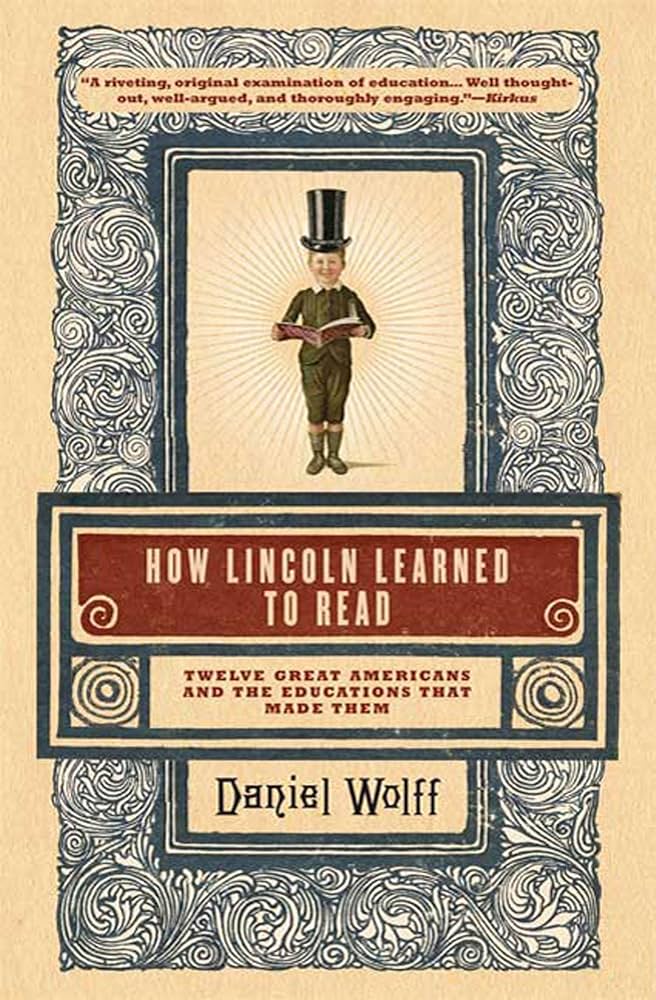
Daniel Wolff’s How Lincoln Learned to Read is a richly researched, thought‑provoking exploration of how twelve influential Americans—from Benjamin Franklin to Elvis Presley acquired their education in ways far beyond traditional classrooms. Rather than focusing on formal schooling, Wolff examines the experiences, struggles, and environments that shaped each figure’s understanding of the world. This approach makes the book both a history of American education and a meditation on what it truly means to learn. And it segues neatly into why May 1st is a perfect lesson to be obtained outside the classroom. An example where education comes in many forms and directions, often shaped by circumstance rather than curriculum. Abraham Lincoln, for example, learned primarily at home and through relentless self‑study, driven by curiosity rather than structured lessons. In contrast, Henry Ford disliked book learning but developed intellectually through hands‑on mechanical work, showing that practical experience can be just as formative.
I want to add just a few words about Sojourner Truth. She was an American abolitionist and activist for African American civil rights, having been born into slavery but escaped with her infant daughter to freedom in 1826. The lessons about rebellion, hardship, and privilege are still driving forces in our nation. Though I champion classroom schooling and sound teachers, I am also aware that what is considered a “good education” doesn’t always follow a single path. The marches, protests, and the teaching of empathy this Friday are very much a lesson plan that makes stronger and more idealistic students and citizens.
When students, teachers, and staff hit the streets, the themes about family, culture, and political struggle that resonate from Truth’s time will be the same type that echo with our need to disrupt the corrosive immigration policies in this country. There is every reason to believe in humanity, dignity, and compassion, and know that those are values to be learned by our students as they confront this issue.
When I see Madison students marching this week, I will think not that they aren’t in a classroom but rather that they are participating in a grassroots political movement that expands awareness of moral clarity. For some of the white students, I know this will be a time to confront their prejudices. To see their role, with many advantages in society on their side, as needing to create better paths for those who walk life alongside them, but face dangers and bigotry due to the color of their skin and where they were born.
This can be a day of learning on the streets.


Leave a Reply