
The Waushara Argus reported that the Plainfield Village Board addressed several key issues during its regular meeting on May 5.
The proposed public health vending machine sparked debate among board members following County Nurse Jennifer DeVitt’s proposal to place a 24/7 public health vending machine at the village library. The vending machine is funded entirely by opioid settlement funds with no cost to local taxpayers, and would dispense public health items such as Narcan, fentanyl testing strips, hygiene and first aid supplies.
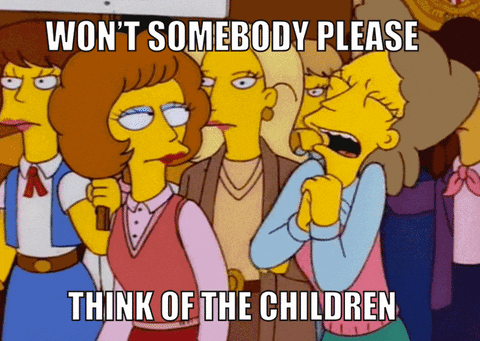
Board members cited concerns over the placement and the safety of the machine. The proposed location would be on the north side of the Plainfield Public Library, which drew concerns from board members over the safety of children……
In a public forum, village resident Daniel Franks approached the board on zoning laws and his intentions to convert his property into either housing for traveling nurses or a “second-chance” group home for men aged 18 and older who are recovering from addiction.
Some board members expressed potential unease about placing this sort of facility in a residential area near children….
Other agenda items approved by the board included:
*Alcohol licenses for: A&A Royal Market (Class “A” Beer, Class “A” Liquor), S&J’s ‘R-Bar-N-Grill’ (Class “B” Beer, Class “B” Liquor), II Roam (Class “A” Liquor), Plainfield Bowl (Class “B” Beer, Class “B” Liquor), and Dollar General (Class “A” Beer, Class “A” Liquor).
*Cigarette, Tobacco, & Electronic Vaping Device Retail Licenses for: A&A Royal Market, S&J’s R-Bar-N-Grill, and Dollar General.
If you can see the discrepancy and lack of consistency regarding the concern for children, then we are on the same page. We are led to believe Narcan cannot sit quietly in a vending machine because children might somehow encounter it. The horror. Imagine a child glimpsing a medication that prevents death. What trauma, moral decay, or slippery slope might children stumble upon? God forbid the youngins come to know about a program that is filled with compassion.
Meanwhile, a recovery home for men over 18 is framed as a menace to neighborhood children, as though sobriety support is contagious in the wrong direction. The message is unmistakable: people in recovery are fine as long as they stay out of sight, out of mind, and preferably out of town.
But when it comes to liquor permits and vape retail approvals, suddenly the concern for children evaporates like smoke from a convenience‑store doorway. Those applications sailed through with brisk efficiency. When it came to the substances that cause addiction, there was no problem. The medication that reverses overdoses? Absolutely not. Think of the children.
It would be funny if it weren’t so absurd. A community that fears the optics of saving lives more than the reality of losing them isn’t confused — it’s complicit.
The truth is, all this hand‑wringing about “the children” is nothing more than political bubble wrap — soft, noisy, and ultimately useless. If officials actually cared about kids, they wouldn’t treat life‑saving tools like contraband while greenlighting every liquor shelf and vape display in town. The phrase has become nothing but lingo, a prepackaged excuse hauled out whenever someone needs to shut down a solution they find uncomfortable. The hypocrisy isn’t subtle; it’s structural. And the people repeating these lines aren’t protecting children — they’re protecting themselves from having to confront the real opioid crisis.


Leave a comment