In the fall of 1976, Democratic presidential candidate Jimmy Carter’s interview in Playboy created a rush of news stories and political commentary. There were many in the conservative religious wing of the Republican Party who were truly upset that a presidential nominee would give an interview to a publication that was viewed as pornography. President Gerald Ford running for reelection told reporters that he, too, had been approached for an interview and “declined with an empathic NO!”
As much as any bumper sticker for election season, the words from the Southern Baptist Sunday school teacher have remained a political reference point. “I’ve looked on a lot of women with lust. I’ve committed adultery in my heart many times.” What followed was swift and left no doubt where the evangelical leaders of that time stood when it came to moral introspection. Even though it was clear that Carter was a person of faith, even deep faith, the attempt to cast doubt on his fitness for office because of the mere association with a risqué publication and the admission of inner sin was remarkable. That was clearly so at the time, and as we look in the rearview mirror given the current political culture, it seems preposterous.
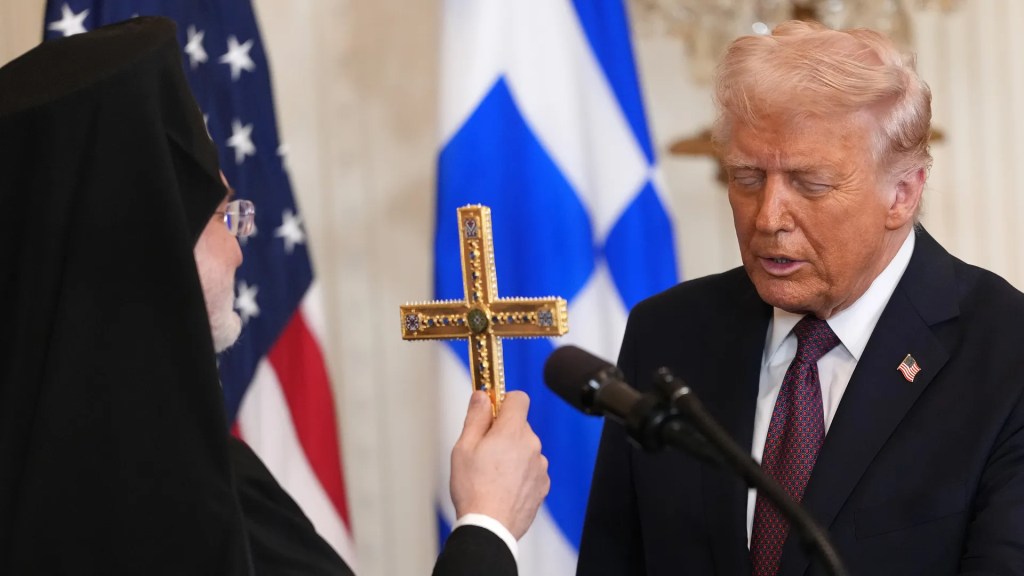
What intrigues me about this episode nearly five decades ago is how far the moral compass has spun for evangelical political voters. While waiting during the first term of Donald Trump, with extended family in a hospital as ongoing heart surgery was taking place, a small-town pastor from Hancock arrived to provide comfort and words from the Bible. Once that was done a general conversation followed and it was the pastor who brought up issues of the day and political topics. He was very much a Trump supporter. What I found interesting was how we could find such linkage with a politician whose public record included multiple marriages, allegations of sexual misconduct, vulgar language, and a cavalier relationship with truth and legality. If I were to sum up the pastor’s views if would be that God was using Trump for the end results in the nation.
Well, someone was being used I thought, and since being diplomatic in the hospital seemed the best path to take, let the pastor alone with his views. We need to ask, however, what happened to the evangelicals, who on a host of issues, proclaim the unerring and unchanging word of the Lord as being absolute.
The answer is political. Evangelicals, once wary of worldly power, have become their most creative and determined brokers if it. The rise of the Moral Majority in the 1980s during the campaigns of Ronald Reagan and his two terms in the Oval Office, marked a turning point. What so many had watched over the years and just assumed was unwavering spiritual conviction had been harnessed and unleashed into political clout. I witnessed this with people I knew who were moving away from what I think one can call virtue to deeper interest in working to ensure that their views were carried into or onto the courts, school boards, and our culture. By the time Trump arrived on an escalator, promising evangelicals more judges, ‘religious liberty’, and cultural dominance, many evangelicals were ready to trade a solid and decent presidential character for raw political clout.
I do not wish to place all evangelicals in the group who sold out for Trump. There are some who have over the years, and continually today warn against moral compromise with Trump. But they are a minority often drowned out by the strident and louder transactional figures who see politics as a zero-sum game and Trump as a necessary weapon. But when someone gives up their core beliefs for a shiny object what does that say about character?
The irony is thick and needs to be better understood. Evangelicals once championed “family values” and touted personal introspection. Today, many of their most visible leaders defend the most base and absurd behavior they would have condemned from the pulpit in early 2015 before Trump lured them so easily to his tent. The language of grace and forgiveness from evangelicals that I knew when growing up, is now deployed not to heal but to excuse the inexcusable. What has resulted for the entire nation to witness is how their view of moral authority has been exchanged for short-term victories. That shiny object that is so beguiling.
A man of deep faith in our neighborhood was talking with me last week about this topic. (I was outside reading An Ordinary Man by Richard Norton Smith, a book about Gerald Ford.) The local man’s take is that today’s evangelicals are far more politically minded that Christian oriented. His brother was a missionary, and in their conversations has talked about the zeal of conservative evangelism to win elections rather than to witness in the larger social sense. My grandmother who was a strong woman of faith would no doubt phrase it differently than I am about to, but when faith becomes a tool of politics, it can be bent to serve any master.
The Carter interview has been so long recalled as it was a scandal for revealing a man wrestling with sin. Now in the Trump years we see evangelicals who are not at all interested in talking about the behavior (sins) of their chosen one. It is all about following what glitters politically.


 Caffeinated Politics
Leave a reply to PurplePenquin Cancel reply