Two separate political nuggets caught my attention over the past several days.
According to a new Washington Post–ABC News–Ipsos poll, fifty-nine percent of Americans believe Donald Trump does not have the mental sharpness necessary to lead the country. Fifty-five percent think he does not have the physical health to serve as president. Fifty-four percent say they don’t think Trump is a strong leader. Sixty-seven percent think Trump doesn’t carefully consider important decisions.
Then there was late-night must-see television when former President Barack Obama was interviewed by Stephen Colbert:
COLBERT: How dumb do you think it is for people to say that I should run for president?
OBAMA: Well, you know, the bar has changed. I think you would perform significantly better than some folks we’ve seen.
The lack of intellectual heft by the person elected to now sit in the Oval Office is being openly talked about in various ways, as our nation is in a quagmire from a needless war that Trump started with Iran. The international economy is being rocked, and national assessments of our defense capabilities have been squandered. Health care coverage woes are trending up, while inflation is making consumers nervous. Each passing week, we see more evidence of the consequences of not electing an educated and informed person to the White House in 2024.
It is worth noting that over the past 125 years, our nation has elected presidents whose intellectual range stretched from world‑class scholar‑statesmen to a man who now openly disdains reading.
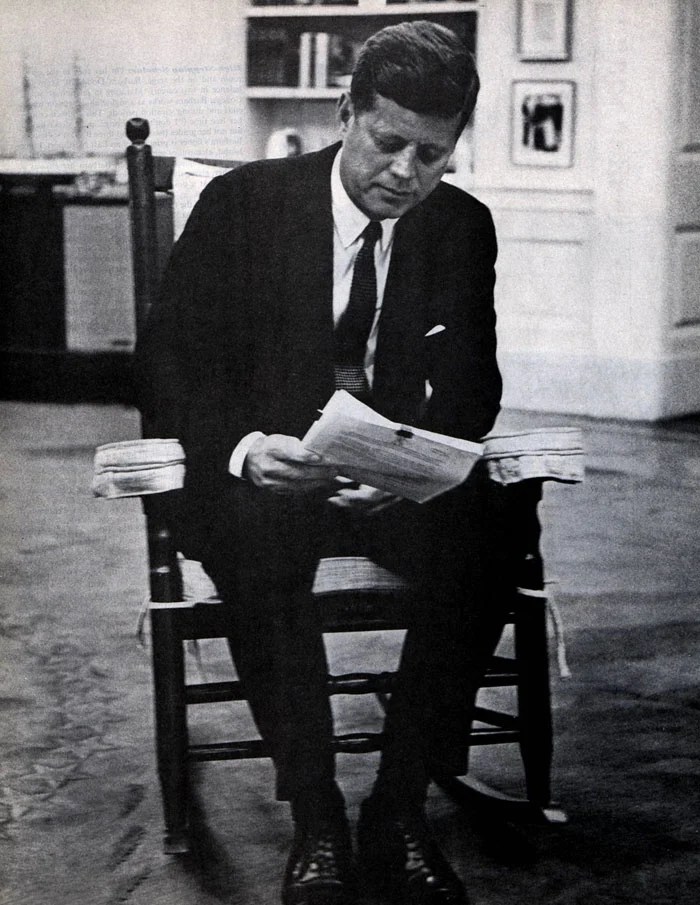
I would argue that there is a cluster of presidents whose intellectual seriousness cannot be denied. They each embodied a different mode of intelligence, but all believed that ideas mattered.
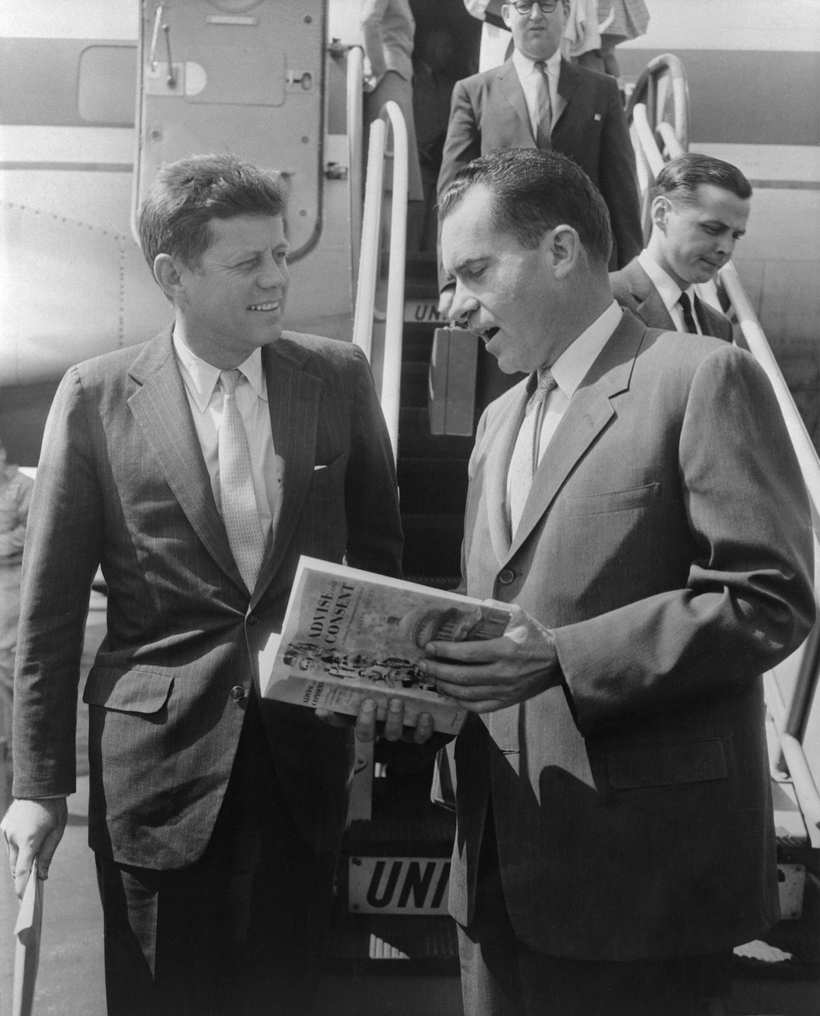
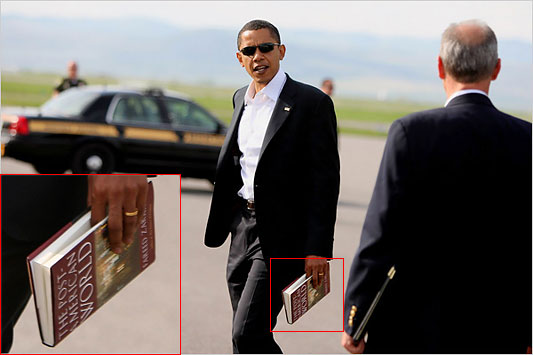
Woodrow Wilson was a scholar, the only president with a PhD. His academic rigor shaped the Federal Reserve. Franklin D. Roosevelt is strongly noted for strategic synthesis, absorbing conflicting advice and making bold decisions under pressure. John F. Kennedy was a historian at heart, whose reading of past crises informed his restraint during the Cuban Missile Crisis. Richard Nixon was clearly among the more intellectually capable presidents. His foreign‑policy achievements of opening China and détente with the USSR required real intellectual horsepower. Jimmy Carter was the most technically intelligent president. He had specialized training and experience in nuclear engineering and approached governing with analytic rigor. His weakness was not intellect but political communication. Barack Obama was, without doubt, the finest legal mind to have sat in the Oval Office. He was President of the Harvard Law Review, a constitutional scholar, and a writer of unusual clarity. Obama could hold competing ideas in equal relation and reason through them.
I note them in this column as they mesh together; each held a firm belief that governing requires reading, listening, questioning, and thinking.
There is also another list of those who served in the Oval Office that I would not describe as stupid but rather incurious and underprepared for the highest office in the world. Warren G. Harding could be charming as writers paint him, but also clearly overwhelmed. He admitted the job was “beyond me,” and his lack of intellectual discipline enabled the Teapot Dome scandals. Calvin Coolidge was a self-generating asterisk who believed the best government was the one that did almost nothing. His disinterest in policy detail bordered on abdication. Ronald Reagan was a powerful and gifted communicator who preferred telling stories to hitting the briefing books. His staff filtered information heavily because he disliked reading long memos. Hence, the recipe cards
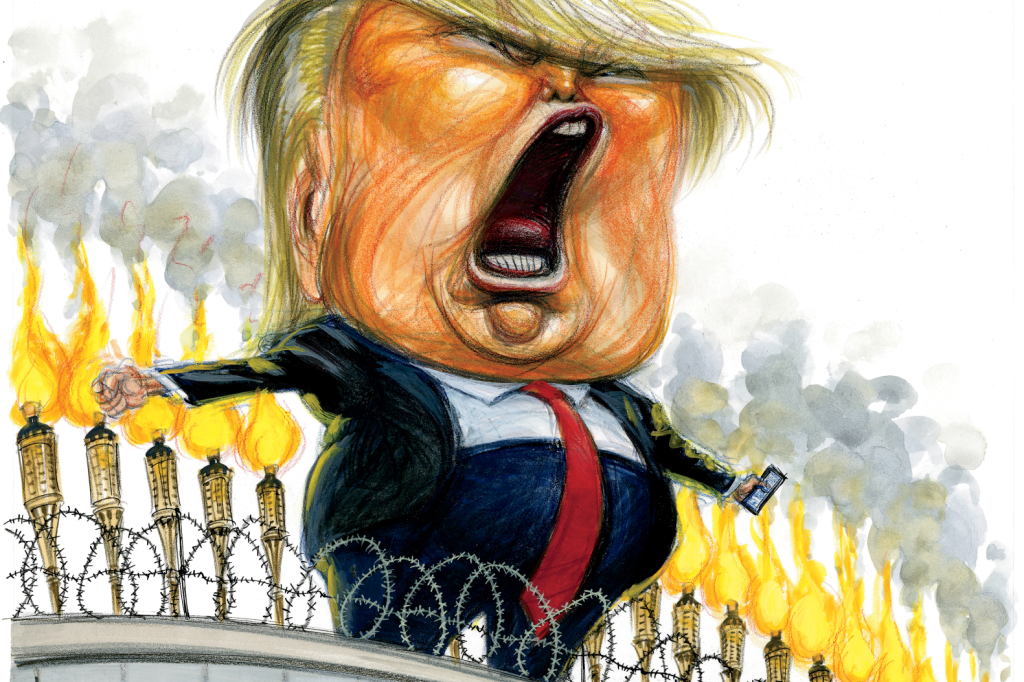
And then there is Donald Trump. He is truly in a separate category from any other person who sat in the Oval Office. During his first term and into his second, it is shocking to the degree to which he continues a minimal engagement with reading materials, including intelligence briefings. He continuously rejects expert consensus. He repeats lies endlessly, lies that are proven to be utterly without factual basis. He thinks his expansive “gut” has the answers as opposed to study or preparation. He was not a gifted student as a young person, and it shows in the Oval Office.
This is not a matter of partisanship or ideology on my part as an observer of history and presidents. When looking at these men, it is easy to file them according to intellectual posture. At the very low end of the listings is Trump, who seems proud that for him, information is optional and expertise is suspect.
In the context of the presidency, that is not merely unconventional. It is dangerous. The office demands synthesis, discipline, and the ability to absorb complex information. When Trump rejects those obligations of the office, the country feels the effects.
I often write about this matter. The fact-free idea adopted by Trump, where knowledge is optional at best, means that crises are misread (Iran), and advisers go unchallenged (RKF, Jr), simplistic solutions and simple physical metaphors gain traction (the wall), and public trust in expertise erodes (science and vaccines).
Finally, for those angry white males who are pissed off at the world and what they made of their lives, let me leave a truism that is as unmistakable for them as for their Dear Leader. Intellectual seriousness is not elitism.
Rather, intellectual seriousness is the most basic characteristic we should demand from a president. I am not suggesting in this column that a president needs to be a professor, but they do need to read, question, absorb evidence, and think beyond cheap, meaningless slogans. Serious engagement with policy is not snobbery. Trump voters thought anti‑intellectual performances marked a man for authenticity. What they voted for and what we are now dealing with is a person in the Oval Office who treats complexity as an inconvenience rather than a responsibility.
The country is paying a high price for what Trump voters recklessly did in 2024.

 Caffeinated Politics
Leave a comment