
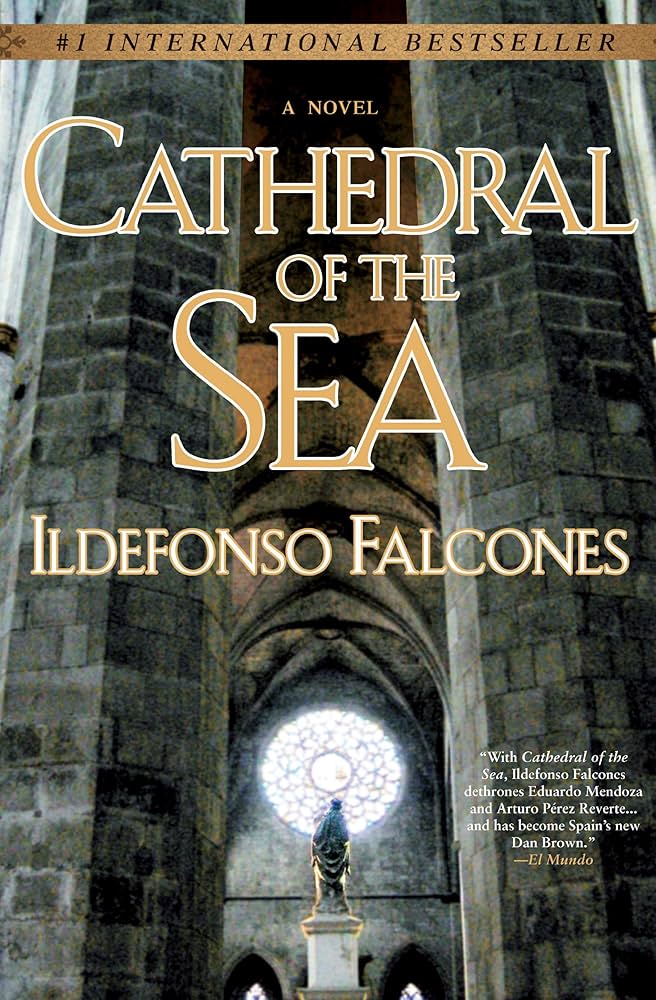
For the first time in 25 years, James and I are reading the same book at the same time. James is reading Ildefonso Falcones’s Cathedral of the Sea in Spanish, as I read the book as translated into English. At the annual post-Christmas Half Price Books sale, I found a new hardcover edition of the book, one that had been on my list to buy and read for years. Making the find even better was locating it in the clearance section of the store for under $2.
As I showed James the books I was buying, he started to comment knowingly about Falcones’s book. It was then that he told me he was partway through the journey of Arnau Estanyol, the main character in the book. James and I are always reading, but seldom do our tastes in books align. But I can attest that when they do merge, it is for a most remarkable reason.
Cathedral of the Sea is the best book I have read in several years. It matches my love for The Book Thief and A Gentleman in Moscow. A huge epic novel of human emotions set in historical Barcelona.
What I liked about the crafting of the story is that while it is set in the 14th Century, it is also startlingly current. We follow the life and times of Arnau, a serf who rises from oppression to freedom while the city builds the magnificent Santa Maria del Mar. A magnificent structure built in 55 years.
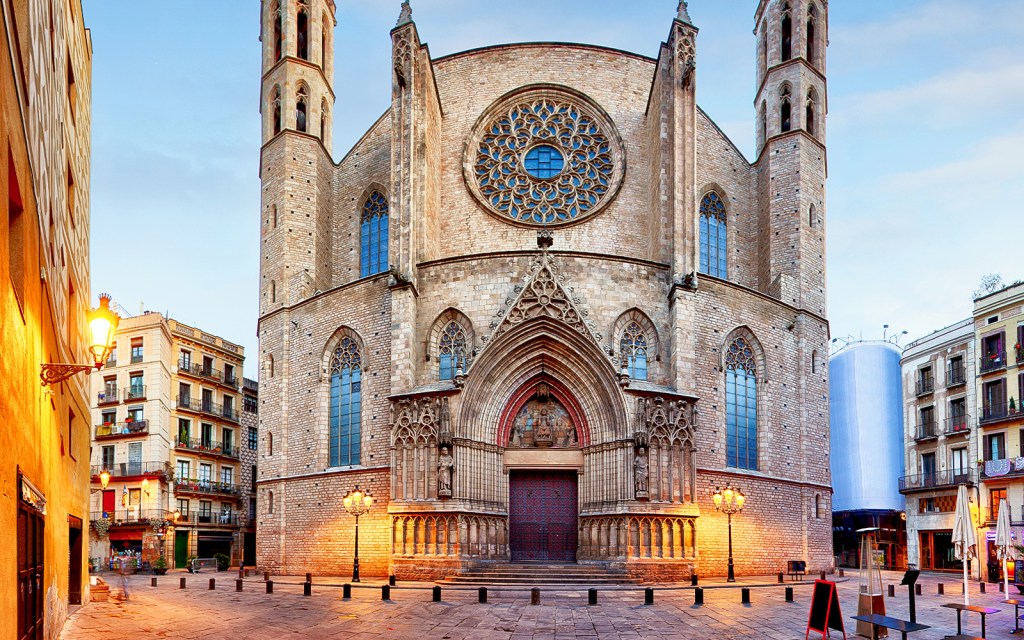
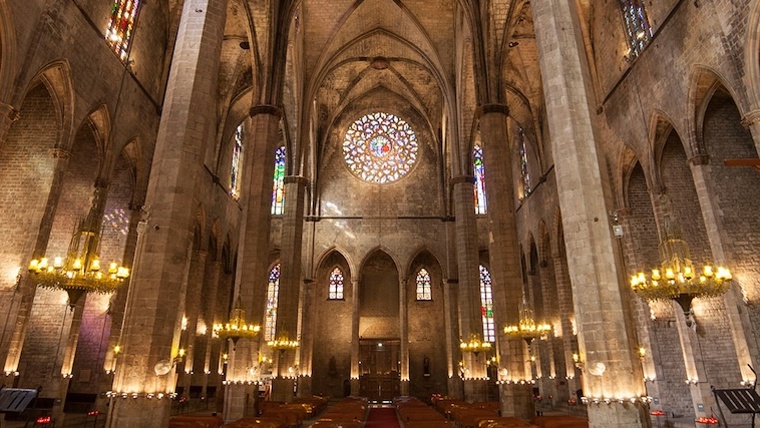
Falcones expands the story with lushly written descriptions full of sensory detail. As an example, the reader almost aches and sweats at the work of the bastaixos who carry the large stones used in the building of the cathedral. The theme that we can almost taste chapter after chapter is the moral one, where we are not permitted to look away from injustice. I was perhaps 150 pages into the book when I asked James how soon before there would be retribution for the wrongdoers?
What makes the novel so resonant today isn’t just its craftsmanship, as that is a requirement for a book to be an international bestseller, but the way it confronts the timeless struggle between power and dignity, fear and solidarity, cruelty and compassion.
The age-old confrontation about ordinary people resisting the powerful institutions—political, religious, economic—is a story often told. But it seems fresh and more searing in the pages of this book. Arnau’s journey shows how easily fear can be weaponized and how courage often comes from unexpected places.
The construction of Santa Maria del Mar is more than a backdrop to the situations that the characters find themsleves. It is a symbol of collective hope. While the world around the characters fractures, the cathedral rises stone by stone through the labor of ordinary citizens. That image of people building something meaningful together despite the chaos churning about them carries a quiet but profound moral weight.
For the world we live in, and what Americans face with the current federal government, I thought about how Falcones doesn’t shy away from showing how injustice thrives when people look away. That really matters. The novel asks readers to consider what it means to act ethically when doing so is dangerous, inconvenient, or lonely. It’s a question that never stops being relevant. In the 14th Century or today.
The perspective on these themes while reading is important. It then allows us to frame our lives into a wider context. I would argue that oftentimes, such a perspective is exactly what people need when the world feels unsteady.
Cathedral of the Sea is more than a beautifully written historical epic. It’s a moral compass embedded within the words of a novel. There is no way to read it and not ponder justice, resilience, and the kind of nation or world we want to help build and live in. I probably do not need to add that if there was ever a year to read a story about people who refuse to surrender their humanity in turbulent times, this is one of them.
You can say thanks later in a comment to this column.


Leave a Reply