Farmers have taken it on the chin since Donald Trump was sworn into office in January 2025. First, it was the tariffs, which are the economic equivalent of applying leeches to a sick patient. Now the escalating war against Iran, which has closed the Strait of Hormuz, is spreading troubling economic consequences, ranging from increased prices for fuel and fertilizer, amidst strangling shipping supply routes as international financial markets sweat. Agriculture depends on reasoned and policy-oriented planning from Washington. Good luck with that now.
Granted, farmers in large numbers supported Trump in the 2024 presidential election. Many willfully and knowingly supported a candidate who had threatened to harm the economy with tariffs, an idea that history has demonstrated, from an economic and political perspective, is ruinous for those who employ them.
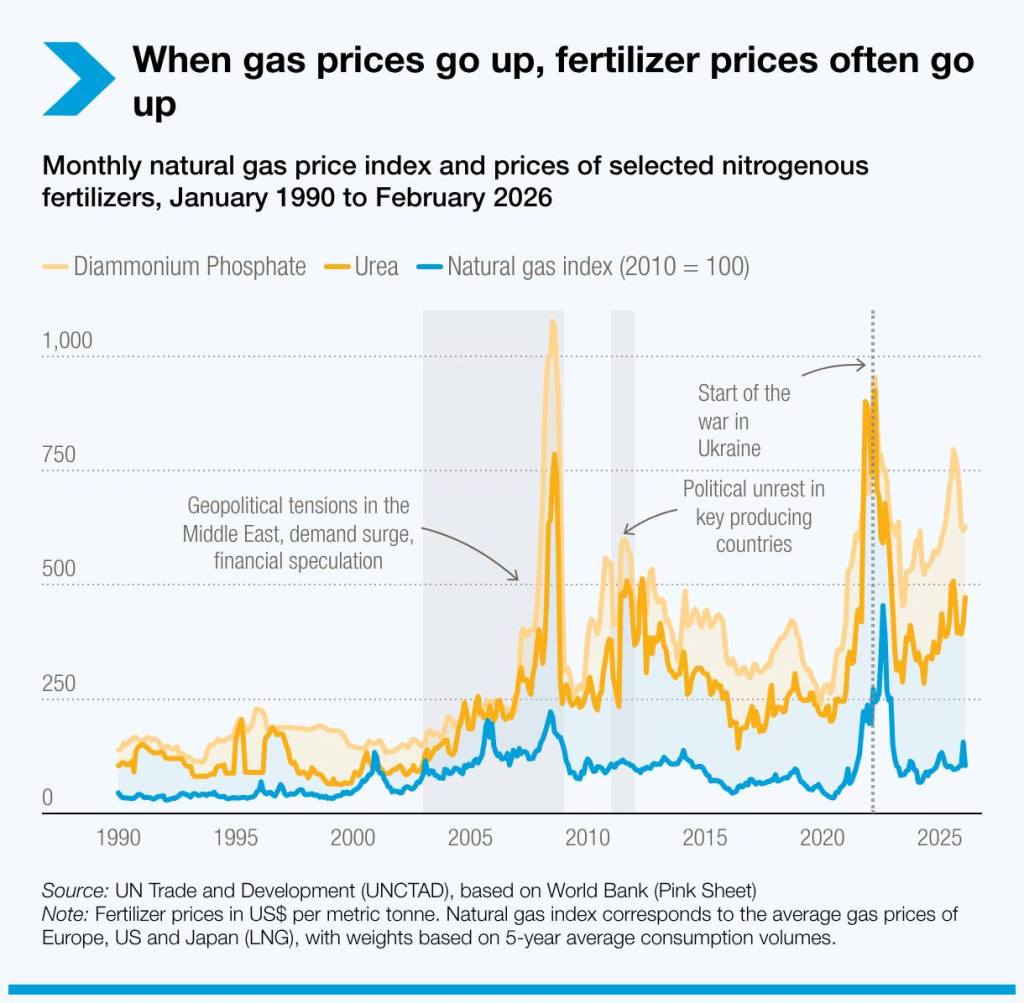
It should not have come as a surprise to this White House that about 20% of global petroleum liquids consumption, roughly 20 million barrels per day, flows through the Strait of Hormuz. It should not come as a surprise that agriculture is energy‑intensive, with tractors, combines, irrigation, grain drying, and transport of all kinds running on diesel or gasoline. Higher diesel and natural gas prices are squeezing, and will continue to do so, already-thin profit margins.
Again, I understand farmers in large part did this to themselves. But our nation cannot accept this swath of the economic pie in our nation to be severely harmed. No one gains when farmers are economically pinned to the wall. But I do believe that an honest rendering of the situation needs to be undertaken.
By supporting a president who made escalating trade conflicts a cornerstone of his economic agenda, agricultural communities enabled the very disruptions that now require billions in emergency assistance.
This does not absolve Trump of his decisions, but it underscores the shared accountability that often goes unaddressed in news coverage focused solely on economic harm.
We do need to observe the issues with farming overall and the political allegiances of farmers with more critical dialogue. But for now, the crisis at hand must be dealt with. Recriminations can follow.
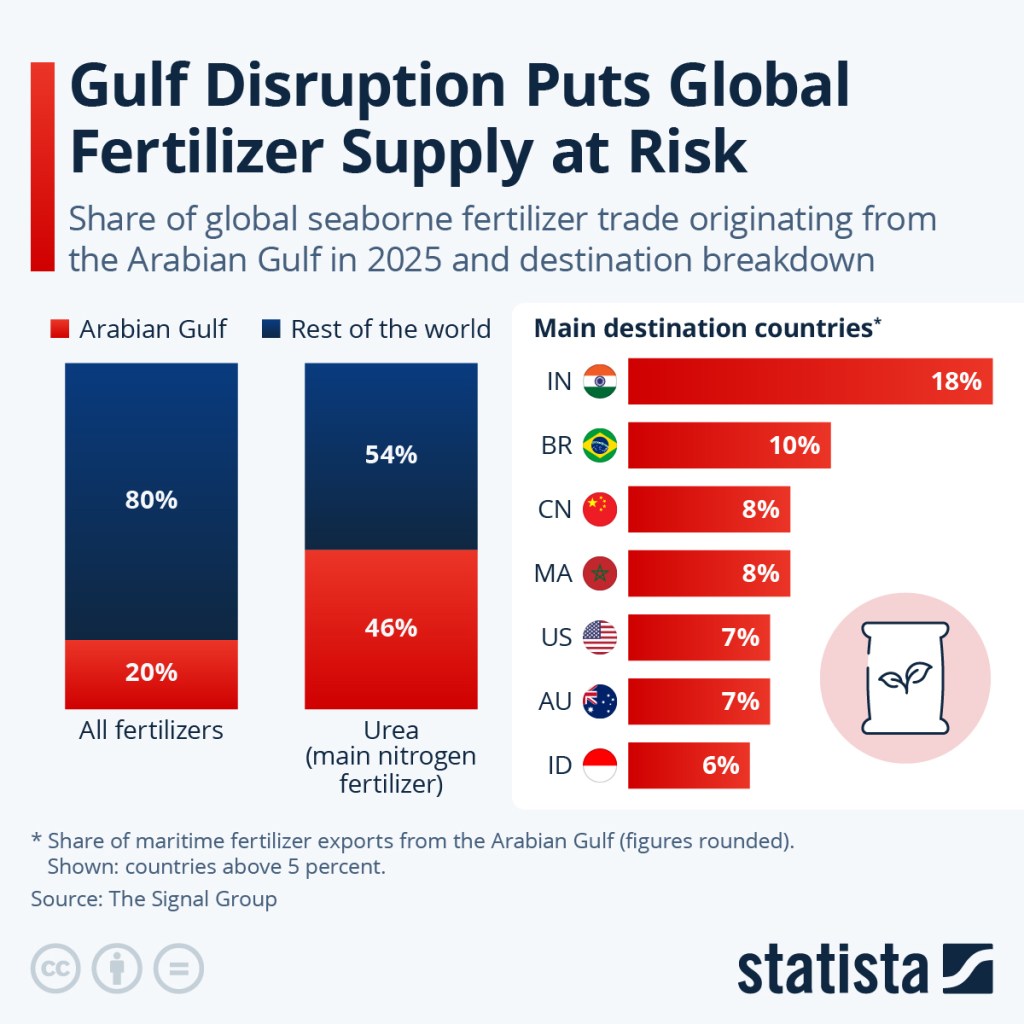
Modern farm yields depend on nitrogen, phosphorus, and potassium fertilizers, products that are energy‑intensive and globally traded. Around one-third of the global sea-borne fertilizer trade (about 16 million tons) passes through the Strait. The concentration of both supply and trade routes underscores the vulnerability of global fertilizer markets to regional instability. Farmers are being harmed by this needless war against Iran. A military action that was not well planned or thought out as to its eventual consequences.
It is not rocket science to grasp that farmers depend on global shipping both to import goods and export crops. So when shipping lanes are curtailed, those who use them as part of a business plan have every reason to panic.
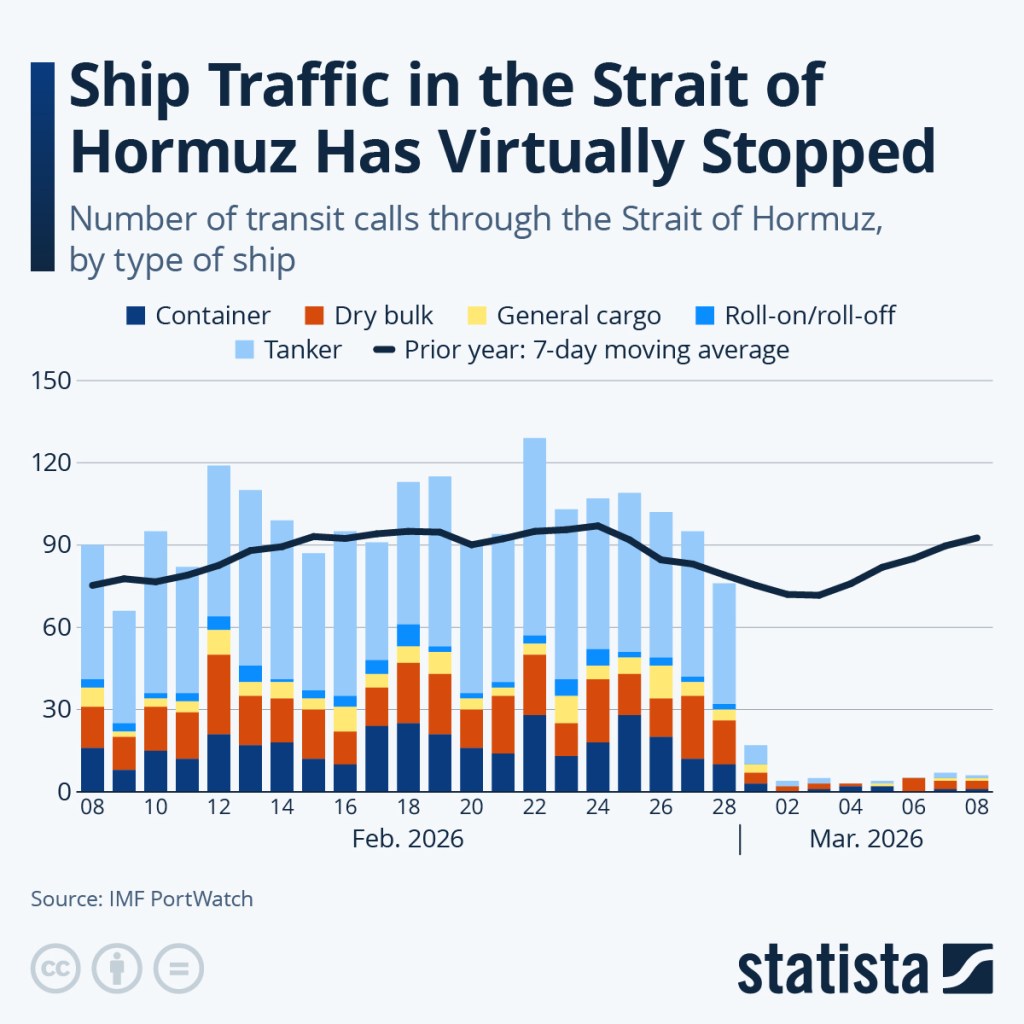
Higher freight and insurance costs for imported fertilizer, chemicals, and machinery parts come right down to the local farmer taking a bit on the rear end. As a result, wild price swings make it harder to decide what to plant, when to sell, and how to manage risk. Some farmers may benefit briefly from higher prices, but many more face greater financial uncertainty and exposure if prices crash after they’ve locked in high input costs.
I spoke (via email messages) with a farmer in Waushara County, a friend over the years, who wants people to know (after asking what he would want added to a column of this type) that producers already operating on thin margins may find it harder or more expensive to secure the financing they need to plant and harvest, increasing the risk of farm financial stress in coming growing seasons.
When I asked how the discussions were sounding with other local farmers, he wrote, “There is a great deal of bitterness.”
At Trump or themselves, I asked?
“Now you want to be a comedian.”
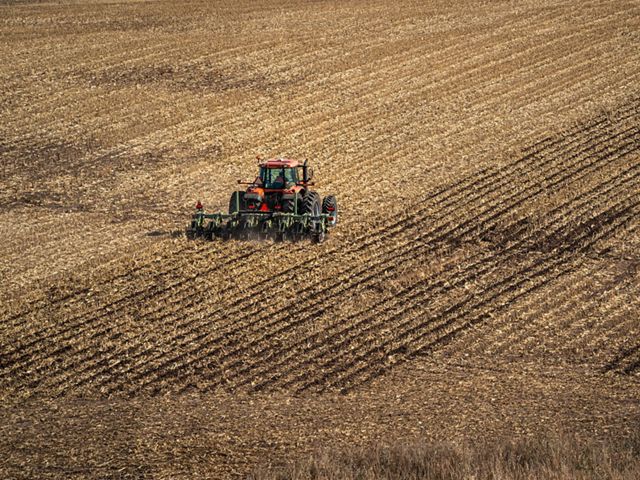
The lack of a sound rationale for Trump’s decision to go to war with Iran is a sore point, not only for folks who write columns at a desk, but for those who sit in a tractor cab and are now starting to till the soil. People out in the fields have awareness that an expanded Iran conflict would absolutely raise costs in our nation, needlessly increase volatility, and heighten financial risk for their livelihoods.


Leave a comment