The Endangered Species Act has always been an act that most people can certainly stand behind and support, as concerted efforts to protect and support sound stewardship impact us all. And I think it is fair to say that the reverse is true. Steps taken to upend and weaken the Act are viewed in many quarters as a moral retreat.
So let’s talk plainly about the Trump administration’s recent changes to the Act, especially the redefinition of the word “harm” to exclude significant habitat modification. In conservation, habitat is life. Remove it, fragment it, poison it, or pave it, and you’ve effectively harmed the species that depends on it. Pretending otherwise is a maddening bureaucratic sleight of hand.
This weekend, the Chicago Tribune reported on this matter
The Endangered Species Act always allowed developers to modify habitats, said Kristen Boyles, managing attorney at Earthjustice. The legal nonprofit focuses on environmental issues.
But for state, local and private projects, Boyles said developers have been required to create “habitat conservation plans” to receive construction permits. She called these plans “ironic,” as they detail how endangered species’ habitats will be destroyed but in lesser amounts than they would have been otherwise.
“That permit then says, ‘Go ahead. Whatever you’re going to do now, even if it destroys and degrades some habitat, it’s lawful because you’ve come up with measures for mitigation, or you’re doing things less harmfully than you initially would,’” Boyles said.
Conservations groups, represented by Earthjustice, sued the Trump administration last month to restore the prior definition of harm.
According to the U.S. Department of the Interior’s website, the reclassification was based on a U.S. Supreme Court case from 2024 requiring agencies “to follow the single best meaning of a statute rather than contorting laws to fit political agendas.”
Boyles said this interpretation is incorrect. The case they cite actually gives the role of interpreting regulations to courts instead of agencies, she said.
Boyles said it’s still unknown exactly what will happen when the changes go into effect. Agencies will likely begin to approach the permitting process from the perspective that harm no longer constitutes modifying an endangered species’ habitat, she said.
“Based on the statute itself, I would hope that very little would change,” Boyles said. “But I think I would hope in vain.”
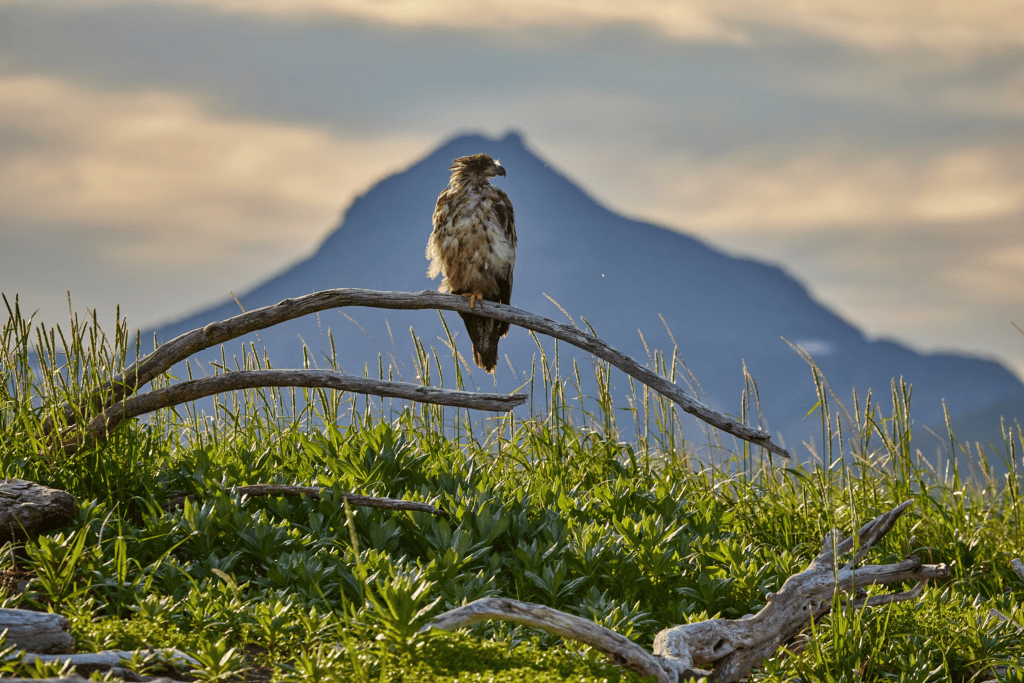
The science is unequivocal. Consider the scope of what can happen under the Trump changes. Fragmenting a forest into smaller patches isolates populations and reduces genetic diversity. Increasing “edge” areas exposes species to predators, invasive plants, and hotter, drier conditions. Removing wetlands eliminates breeding grounds for amphibians and nurseries for fish. Add in issues from increased noise, more light, and greater human disturbance, and it is not difficult to understand the actual harm that can be caused to animals.
And the timing couldn’t be worse. Climate change is already squeezing species into smaller and more fragile ranges. The Act should be a shield used for protection, but the Trump Administration is operating in the opposite direction. The Endangered Species Act has worked for decades because it recognized a simple truth. Protecting species means protecting habitat. Undo that, and you undo the law’s entire logic.


Leave a comment