
For decades, support for Israel in the United States was one of the closest things American politics had to a bipartisan consensus. Republicans and Democrats disagreed about taxes, spending, health care, and foreign policy, but support for Israel remained remarkably durable. One of the visible and justified consequences of the over-the-top military attack by Israel upon Gaza and the Palestinian people is the growing fractures in that support from this nation. Make no mistake: that growing divide is easy to understand.
The horrific Hamas attack on Israel on Oct. 7, 2023, shocked the world and rightly drew widespread condemnation. It was barbaric. Inhuman. Israel had every right to defend itself and pursue those responsible. But the use of the Hamas attack as a game plan for Israel to destroy agriculture, demolish neighborhoods, flatten hospitals, and kill Palestinian civilians led many Americans to ask increasingly uncomfortable but necessary questions.
The facts are daunting as to the carnage caused by the Israeli military. Three years of Israeli attacks have killed at least 74,000 Palestinians, including at least 21,000 children. That is about one in every 30 people, or 3 percent of the pre-war population. The Palestinian Ministry of Health counts only deaths recorded at hospitals or officially registered. The true toll is much higher, as it excludes the thousands still buried under rubble or missing.
For decades, the reckless land-grabbing leaders in the Israeli government during different prime ministers have created a slow-simmering pot of international anger. Then came the wholesale slaughter in Gaza in recent years. Public mood in the United States toward Jerusalem’s villainous actions has clearly shifted.
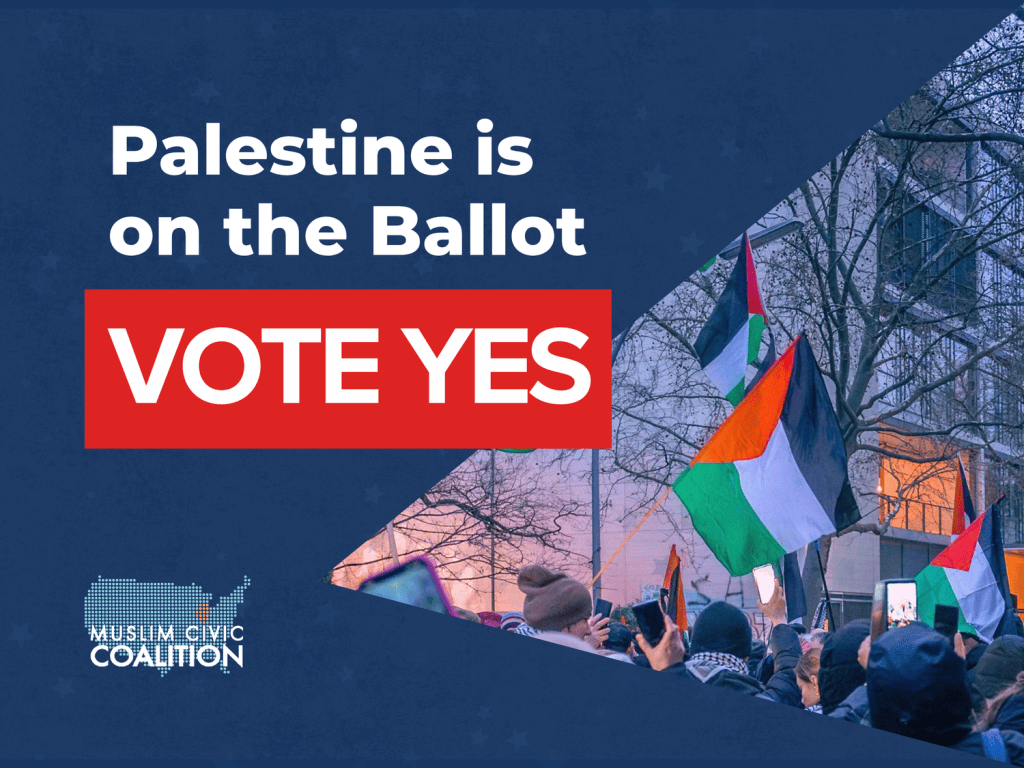
What once seemed politically untouchable is now openly debated. College campuses erupted in protests. City councils argued over cease-fire resolutions. Faith leaders, labor unions and civic organizations have found themselves divided on questions that once drew little public attention. And today, the Chicago Tribune reports another in a long-growing list of actions that underscore the growing dislike of Israel. The referendum is relatively obscure in Oak Park, Illinois, but significant in the larger context. That community is one of eight in Illinois asking the question on the ballot this fall.
On its face, the measure is merely advisory. Voters will be asked whether Illinois should repeal laws that prohibit state investment in businesses that boycott Israel. The referendum will not automatically change state law. Yet its importance lies elsewhere. And it is at that point that I applaud such moves, as it is these types of local discussions that aid in defining Israel for people who often do not watch the news closely enough or dive deeper into international events, especially for a nation that has been granted far too much favor and money from our nation. (Of course, Israel can have a sound health care system, as the United States pays a sizable chunk of Israel’s defense budget every year. U.S. taxpayers provide $3.8 billion per year in baseline military and missile defense aid to Israel under a 10-year Memorandum of Understanding running from fiscal year 2019 through 2028.)
Twenty years ago, it would have been hard to imagine Oak Park placing such a question on a November ballot. Today, however, the debate about Israel has reached village halls, school board meetings, and local elections. That alone tells us something profound. The debate is becoming sharper, more emotional, and more personal. And it must continue in this fashion. Americans have every right to demand answers to moral questions when our tax dollars are being spent in wars of retribution and genocide.
We know that UN-backed investigators concluded that Israel’s military campaign and actions in Gaza fulfilled multiple criteria of genocide under international law, with horrific numbers of mass casualties, severe destruction of healthcare facilities and local infrastructure, along with blockading aid and even the death of aid workers. (Don’t get me started on the death of journalists by the IDF.)
Oak Park mirrors America in many ways on this issue. The community is far removed from Jerusalem, Gaza, or Ahuzat Bayit. Yet the fact that local voters are being asked to weigh in on a question connected to Israel demonstrates how deeply this conflict has penetrated American civic life. The war has done more than bring hell to Gaza. It has transformed the conversation here at home.
I applaud that. The old consensus of Israel wagging the dog must end.


Leave a Reply